Meta Lean

MCP Automation

Table Of Contents

MCP Automation

How MCP Automation Improves Operational Efficiency

In today’s digital-first business environment, companies constantly look for ways to increase productivity, reduce operational costs, and eliminate manual bottlenecks. MCP automation is one of the most effective solutions for achieving these goals.
By automating workflows and connecting multiple business tools, MCP platforms enable organizations to streamline operations, reduce errors, and allow teams to focus on strategic work instead of repetitive tasks.
At Meta Lean, businesses can implement advanced automation strategies using modern work management platforms to unlock the full potential of MCP-driven operations.

What is MCP Automation?

MCP automation refers to the use of automated workflows powered by the Model Context Protocol to connect AI systems and business applications, enabling intelligent task execution across tools and data sources.

Instead of manually transferring data between systems, MCP acts as a universal bridge that allows AI assistants and software platforms to communicate and automate multi-step workflows.
With MCP automation, organizations can:
  • Trigger actions automatically
  • Integrate multiple business applications
  • Monitor operations in real time
  • Reduce manual errors
  • Improve workflow visibility

The result is a more agile, scalable, and efficient operational environment.

Key Ways MCP Automation Improves Operational Efficiency

1. Eliminates Repetitive Manual Work

Many businesses still rely on manual processes such as:

  • Data entry
  • Status updates
  • Report generation
  • Task assignments

MCP automation replaces these repetitive tasks with intelligent workflows.

Examples of automated processes:
  • Automatically assigning tasks when project stages change
  • Sending deadline reminders and notifications
  • Generating automated reports for leadership teams

This reduces administrative workload and allows employees to focus on high-value strategic work.

2. Enables Faster Decision-Making with Real-Time Data

Operational efficiency relies on accurate and timely information.

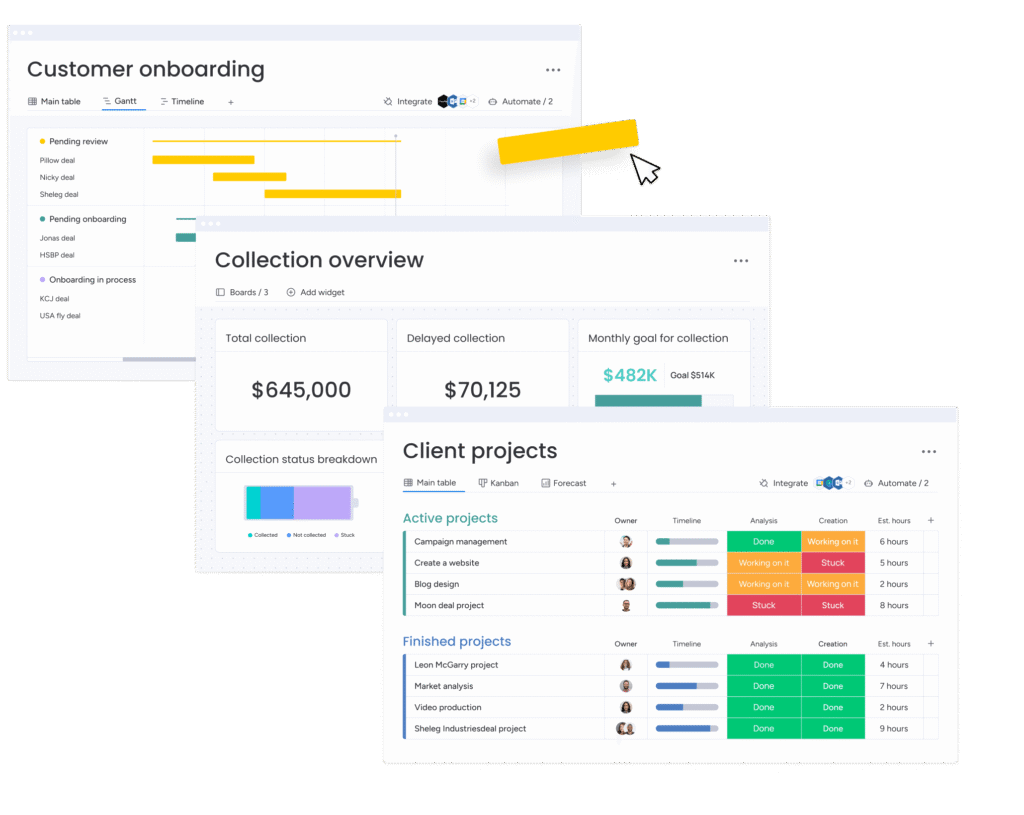
MCP platforms centralize operational data and display it through dashboards and analytics tools.

Managers can instantly:
  • Track project progress
  • Monitor team performance
  • Identify operational bottlenecks
  • Measure workflow productivity

With real-time insights, leadership teams can make faster and more informed business decisions.

3. Improves Cross-Team Collaboration

Poor communication between departments often leads to operational delays.

MCP automation improves collaboration by creating a shared operational environment where teams stay aligned.

Automation improves teamwork by:
  • Centralizing operational information
  • Creating automatic updates between teams
  • Providing transparent task ownership
  • Reducing communication gaps

As a result, teams always know:

  • What tasks need attention
  • Who is responsible
  • When deadlines are approaching

This eliminates confusion and improves project coordination.

4. Standardizes Business Workflows

As companies scale, maintaining consistent processes across departments becomes challenging.

Automation ensures that workflows follow predefined and standardized steps, improving process consistency.

Key benefits include:
  • Consistent service delivery
  • Reduced operational errors
  • Faster onboarding of new employees
  • Improved process accountability

Standardized workflows also make operations more scalable and predictable.

5. Seamless Integration with Business Tools

Modern MCP platforms integrate with a wide range of business systems, including:

  • CRM software
  • Project management tools
  • Communication platforms
  • Data analytics systems

This creates a connected operational ecosystem where data flows automatically between tools.

Automation eliminates data silos and ensures all teams work with the same real-time information.

Why Businesses Are Investing in MCP Automation

Organizations adopting MCP automation often experience measurable improvements in operational performance.

Key advantages include:
  • Increased productivity
  • Lower operational costs
  • Reduced manual errors
  • Faster workflow execution
  • Greater transparency across teams

Automation ensures that routine tasks run in the background, allowing employees to focus on innovation, strategy, and growth.

With digital transformation accelerating globally, MCP automation is rapidly becoming a strategic necessity for modern organizations.

Partnering with Experts for Successful MCP Implementation

Although MCP automation provides powerful benefits, successful implementation requires strategic planning and proper workflow design.

Partnering with experts like Meta Lean helps organizations maximize the value of automation platforms.

With expert implementation, businesses can:
  • Design scalable automation workflows
  • Integrate existing software systems
  • Improve cross-team collaboration
  • Maximize ROI from automation platforms

With the right strategy, organizations can transform operations into efficient, automated, and scalable ecosystems.

Frequently Asked Questions

MCP automation connects AI assistants and business applications to automate workflows such as reporting, customer service operations, project management, and data processing.
It reduces manual tasks, automates repetitive workflows, and enables teams to focus on strategic work instead of administrative activities.
Yes. MCP platforms are designed to integrate with multiple systems such as CRM platforms, communication tools, databases, and analytics platforms.
Yes. Small and medium-sized businesses can use MCP automation to streamline operations, reduce costs, and scale processes more efficiently.
top

Inactive