monday.com Workflow Mistakes to Avoid (And How to Fix Them)
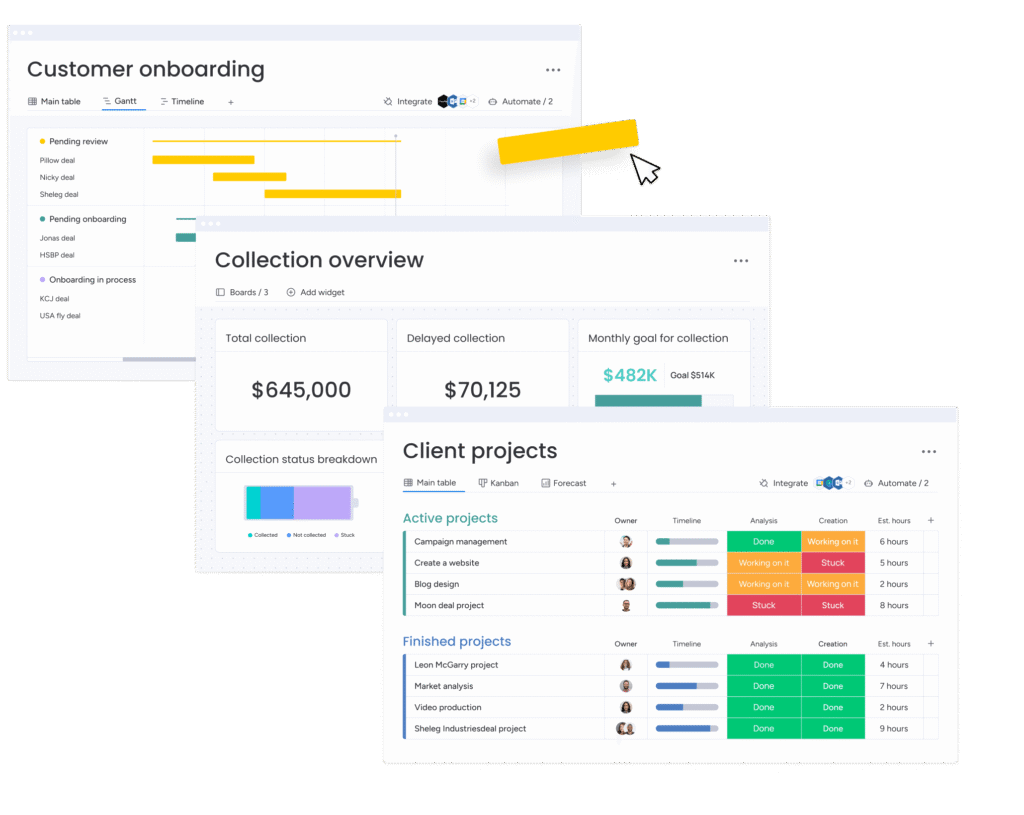
monday.com is a powerful Work OS, but many teams struggle as their usage grows. What starts as a clean and simple setup slowly turns into clutter. Boards multiply, automations stop behaving as expected, and leadership no longer trusts reports.
In most cases, the problem is not monday.com itself. The real issue is how workflows are designed, owned, and maintained.
This article covers the most common monday.com workflow mistakes that cause confusion, slow teams down, and hurt adoption, along with clear and practical fixes you can apply directly inside monday.com.
Why monday.com Workflows Break as Teams Scale
When teams first start using monday.com, a simple board feels enough. Tasks are added, statuses are updated, and work moves forward. But as more people, approvals, and handoffs are added, problems start to appear.
The biggest misunderstanding is treating a board as a full workflow system.
A board only stores information. A workflow system defines how work moves, who owns it, and how progress is measured.
Without clear stages, ownership, and automation rules, even well designed boards stop working.
Common warning signs
If you notice these signs, your workflows likely need fixing:
Work stays stuck in the same status Tasks are duplicated across multiple boards Automations work inconsistently Managers ask for Excel reports because dashboards are not trusted
These are workflow design issues, not user issues.
Quick Self Audit You Can Do in 3 Minutes
Before rebuilding anything, it is important to identify the real problems.
Ask yourself these questions:
Does every item have one clear owner Do statuses mean the same thing across boards Are automations intentional or added randomly over time Can leadership trust dashboards without manual checks
If most answers are no, your setup does not need a rebuild. It needs structure.
What to fix first
Always fix ownership before automation. Fix board structure before dashboards. Reduce noise before adding new rules.
This order prevents repeated mistakes.
Mistake 1 Treating monday.com Like a To Do List
This is the most common and most damaging mistake.
Boards look busy, but work does not flow.
What this looks like in real teams
Statuses like Working or Almost Done No clear next step No handoff between teams No escalation when work is stuck
These boards track activity but do not run processes.
How to fix it inside monday.com
Start by defining clear workflow stages such as Intake, In Progress, Review, Approved, and Done.
Each stage should clearly explain what happens next.
Assign one accountable owner to every item. Use automations to change ownership when status changes. Standardize status labels so they mean the same thing across all boards.
This shift turns monday.com into a process system instead of a task list.
Quick win you can do today
Choose one active board. Replace vague statuses with clear workflow stages. Add one automation that assigns an owner when status changes.
Most teams notice improvement immediately.
Mistake 2 No Clear Ownership and Accountability
Even strong automations fail when ownership is unclear.
The two common problems
Multiple owners where everyone is responsible but no one acts. Ghost owners where someone is assigned but no progress is made.
How to fix ownership issues
Every item should have one accountable owner. Other people should be collaborators or watchers, not owners. Ownership should change automatically at handoff stages.
Build accountability into the workflow
Use due dates with status rules. Add reminders for items that are stuck. Create escalation automations for overdue work.
Clear ownership alone fixes many monday.com workflow problems.
If your monday.com setup feels messy even after small fixes, the root cause is often how the system was implemented in the beginning. Working with an experienced monday.com implementation specialist can help clean up workflows, simplify ownership, and prepare your workspace for scale without disrupting daily work.
Mistake 3 Building Boards Without a Scalable Structure
Many teams create new boards whenever a new request or team appears. At first this feels organized. Over time, it creates duplication, confusion, and reporting gaps.
What this looks like in real workspaces
Multiple boards doing almost the same thing Different status labels for the same type of work No single place to see overall progress Teams building their own versions of the same process
This usually leads to low adoption and unreliable dashboards.
How to fix it with a simple board architecture
A scalable monday.com setup usually has three layers:
A core system board that acts as the single source of truth Team execution boards where daily work happens A reporting layer built from standardized fields
The core board owns the data. Team boards focus on execution. Dashboards pull from consistent sources.
What to standardize early
Board naming conventions Column types for status, owner, priority, and dates Status values that mean the same thing everywhere Templates for repeatable workflows
Standardization reduces confusion and makes scaling easier.
Mistake 4 Siloed Workflows and Disconnected Teams
As teams grow, workflows often become isolated. Sales works in one place. Delivery works in another. Operations tracks work somewhere else.
The result is missed handoffs and duplicated updates.
Where silos usually appear
Sales handing work to delivery Marketing passing leads to sales Operations waiting on finance or approvals
When teams cannot see shared progress, work slows down.
How to fix silos using connected boards
Connected boards should be used to share visibility, not to copy data everywhere.
Connect boards where teams need awareness of progress. Keep ownership of key data in one place. Use connections to trigger handoffs, not to duplicate work.
Avoid the mirror column problem
Mirror columns are helpful, but overusing them creates confusion.
Mirror only what teams need to see. Do not edit mirrored data from multiple places. Decide which board owns each data point.
Clear ownership keeps connected workflows stable.
Mistake 5 Automations That Create Noise Instead of Speed
Automations are powerful, but many teams add them without a clear purpose.
Over time, this leads to automation conflicts and notification overload.
Common monday.com automation mistakes
Multiple automations triggering on the same status Automations that loop or cancel each other Too many notifications sent to too many people Automations firing before required data is ready
These issues make automations feel unreliable.
How to clean up automations
Review automations board by board. Remove duplicates and outdated rules. Add conditions so automations trigger only when needed. Align automations with real workflow stages.
Fewer automations that work well are better than many that cause noise.
Recommended automation patterns that actually work
Assign an owner when status changes Send SLA reminders for overdue items Route approvals automatically Escalate work that is stuck too long
These patterns speed up work without overwhelming users.
Using monday AI Workflows Without Creating Chaos
Many teams turn on AI features without understanding how they fit into workflows.
AI should support decision making, not replace structure.
Where monday AI works best
Summarizing updates for managers Highlighting stuck or overdue work Assisting with prioritization Reducing manual status reviews
When used correctly, monday AI workflows improve visibility and reduce manual effort. When used without structure, they add confusion.
Mistake 6 Weak Permissions and Lack of Governance
As monday.com usage grows, permissions often get ignored. This creates friction, blocked workflows, and accidental changes that break processes.
Common permission problems
Too many people have edit access Guests can change critical fields Automations fail because users lack permissions No one knows who owns which board
When permissions are unclear, teams lose trust in the system.
How to fix permissions the right way
Assign clear board owners who are responsible for structure and changes. Limit edit access to only those who need it. Use viewer or guest roles carefully, especially on core boards. Review permissions regularly as teams change.
Clear permissions protect workflows and reduce accidental errors.
Governance basics every workspace needs
Use templates for repeatable workflows. Document key automations and rules. Review workflows quarterly to remove what no longer works.
Governance is not about control. It is about keeping workflows stable as teams scale.
Mistake 7 Dashboards That Do Not Answer Leadership Questions
Dashboards should make decisions easier. Many teams build dashboards that look good but do not provide real insight.
Signs your dashboards are not trusted
Leaders ask for manual reports Numbers change depending on who exports the data Different teams report different results
This usually means the underlying data is inconsistent.
How to fix dashboards
Start with clear questions, not charts. Decide which metrics matter most. Standardize fields across boards before building dashboards. Pull data only from source boards, not from duplicates.
When dashboards are built on clean data, trust comes back quickly.
Dashboards that actually work
Operations dashboards that show workload and bottlenecks Delivery dashboards that track cycle time and overdue work Sales dashboards that show pipeline health and ownership
Simple dashboards with reliable data always outperform complex ones.
Mistake 8 No Error Handling for Workflows and Integrations
Workflows and integrations can fail quietly. When errors go unnoticed, work slips through the cracks.
Common errors teams overlook
Automations fail because a column was renamed Dependencies break when statuses change Integrations stop due to authentication issues Data formats do not match between tools
Without visibility, these issues repeat.
How to handle workflow errors properly
Create a simple error log board. Track failed automations and integrations. Set alerts for critical failures. Review errors regularly instead of reacting late.
Basic monitoring prevents small issues from becoming major problems.
A Simple Action Plan You Can Follow
What to fix today
Clarify ownership on active boards Reduce unnecessary notifications Remove duplicate or unused automations
What to fix this week
Standardize board structure and statuses Clean up connected boards Review permissions and access
What to fix this month
Define governance rules Rebuild dashboards using trusted data Improve integrations and monitoring
Following this order creates steady improvement without disruption.
Final Thoughts
Teams outgrow their monday.com setup faster than they expect.
Meta Lean helps restructure workflows so ownership is clear, automations support real work, and reporting becomes reliable again. Reach out to Meta Lean to realign your monday.com workflows.