
Integration Testing Services
Reliable Integration Testing Services for Seamless System Quality
We ensure consistent system performance by validating all software interactions thoroughly, preventing errors, and maintaining optimal functionality across multiple platforms for smooth operational efficiency.


Software Integration Testing Services Overview
Our team tests all software components collectively, verifying data flows, compatibility, and performance to guarantee that integrated systems operate reliably without unexpected failures.
What Is the Scope of Integration Testing Services
Integration testing covers all modules, third-party interfaces, and workflows, ensuring functional coherence and proper communication between interconnected software systems across the entire organization.
Why Choose Expert Integration Testing Services
Certified professionals deliver precise testing strategies, reducing system risks, improving reliability, and ensuring your software ecosystem meets performance standards consistently and efficiently.
How System Integration Testing Services Improve Quality
By detecting interface and functional issues early, our services enhance software stability, optimize workflow efficiency, and strengthen overall system quality for superior operational results.
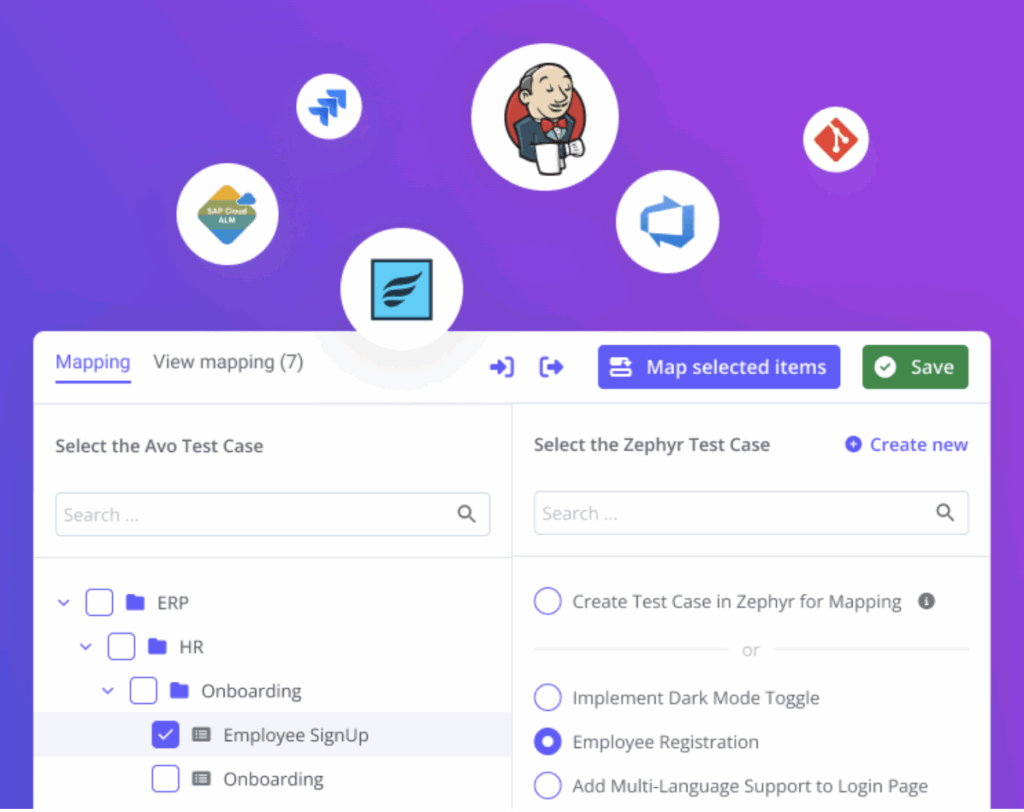
Contact Meta Lean to learn how we can help streamline your integration testing with Avo Automation.
Got Questions? You’re Not Alone
They validate that multiple software components work together as a unified system correctly.
This testing focuses on interactions and data exchange across modules.
It identifies interface and data flow issues between modules before full deployment.
This improves reliability and reduces defects in later stages.
Integration tests typically follow successful unit tests and precede end-to-end testing.
Teams conduct them early to detect interface problems quickly.
Unit testing checks individual functions in isolation, not their interactions.
Integration testing validates that combined parts communicate and work together properly.
They uncover bugs where modules exchange incorrect data or fail to respond together.
This prevents unexpected breakdowns when software components interact.
Yes, it tests API endpoints to confirm correct data transfer and response handling.
This ensures consistent behavior between integrated systems and services.
They promote smoother workflows by verifying that interconnected parts won’t fail unexpectedly.
This results in reliable features and higher end-user confidence.
Teams use approaches like Big Bang, bottom-up, top-down, and hybrid methods.
These strategies help balance test coverage with project complexity.
Yes, automated integration tests fit into continuous integration and release workflows.
This supports frequent validation and keeps code stable during updates.
QA specialists and testing consultants execute combined module tests and analysis.
They coordinate with developers to resolve issues efficiently and systematically.